
IP AI Motherfucker.
My least popular opinions about art and money.

Tim Minchin and I are both wrong. I’m going to start with me in the hopes of seeming less of a prick later.
The best of my teaching and story consultation is formed as explorations of the intent behind your work. By uncovering the often under examined aims and ambitions that are driving you to tell a story I hope to help put a writer in better control of their writing. I do this because I know it works, though also because better understanding inspiration is something I can teach, whereas getting better at doing it is something only practice delivers. (Don’t forget I’ve said this later). Intent matters to me.
Look I’ll be honest, I think most of the work I watch, most of what gets made, has failed. Actually, I don’t think this, I know it and I find it embarrassing when you disagree with me. Most films and tv shows, most stories, set out a basic creative and emotional manifesto within the opening third or less, only to then succumb to compromises which mean they fall short of their own ambitions. I’m not saying I don’t like them, I’m saying they don’t work. Like sitting in a broken chair, it’s not an opinion. “I don’t know man, I really liked it” is not a valid argument. The intent behind a work is often either missing or missed, I don’t care if you liked the result, it’s a fail.
This, of course, is where I am wrong. I mean, not in that most things suck, just in that I do accept that the fulfilment of creative intent is not the central task of a piece of art. Failed art is often the most exciting art. I can’t teach you to fail but, perversely, I do hope I’ve never yet taught anyone so well that they merely succeed. My hope is that I teach people to understand what it is they are going to fail at; how, having gained clarity on what their intention truly is, they can then hold it lightly enough to create work that allows interpretation.
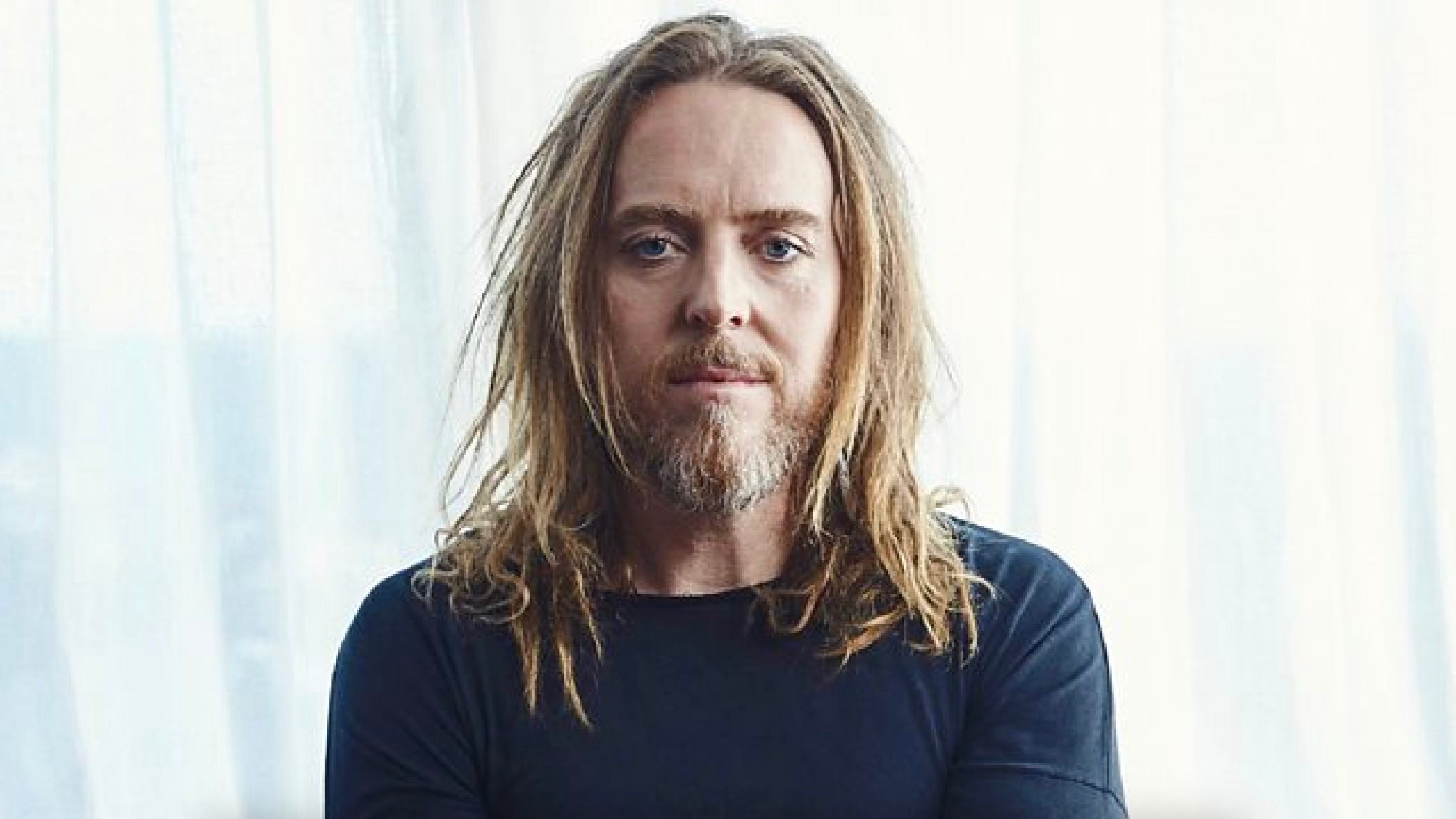
Speaking against AI art at the recent Art Of Tax Reform summit, Tim Minchin encapsulated his philosophy in the phrase “art is not just content, it’s content plus intent.”
It’s a nice phrase, or at least, it rhymes. However if the intention is to divide righteous human art from the wickedness of AI slop then it fails on a surface level. Only the most swivel eyed prophets of the machine future talk about LLMs as devices that might create art all by themselves. Claude does not doodle in the margins. ChatGPT is not irritated to have to vomit out your essay on climate change because it was happily passing time sketching puppies. AI has no more intent than a pencil, but no less either. An LLM is a tool that enables someone who can’t draw to express their creative limitations differently. (Remember what I said about practice and note this is not an argument for AI but an argument against intent, it’s an argument against artists.)
Slop has always been with us. Yes we can get nostalgic about the human craft that went into greetings cards and lazy kids animation and yes sometimes that slop is unexpectedly elevated into something surprisingly profound but mostly it wasn’t and either way these are questions of art and commerce, not of tools.
Minchin’s argument of intent feels one with the myth of intellectual property. Let’s tread with care, calling for unilateral disarmament in the battle between art and commerce is not in my own best interest. I also need to pay my mortgage and feed my family and I would like to do that using the only real skills I have, which all revolve around making things up. However, we live in the age of post-truth so lets, for a moment, hold two contradictory ideas as both true. Yes, artists need to get paid and need rights in the market place but also at the same time, no, you cannot own an idea.
Intellectual property is the trick capitalism played to get artists to fall in line. At the heart of it is the vision of the artist as industrialist and entrepreneur, as an individual Atlas reshaping the world in their own image. It never ceases to amaze me how, as an artist, just like most artists, I think of myself as a creature of the left yet I live my life as a monster of Thatcherite individualism. Duchamp gets the acclaim for being the Artist who made a mundane mass produced object into Art by the act of placing it in a gallery and calling it so. A demi-god or alchemist who translated mundanity into the sublime through the power of his intent. Don’t get me wrong, I’m here for it but I love magic tricks and like all magic tricks they depend on the audience. The cruel cold truth of being any sort of an artist is that it doesn’t matter what stunts you pull, what clothes you wear, what walls you break, your intent is nothing unless an audience interprets it.
Art that allows no space for interpretation, art that is all intent and nothing else, is instruction, is advertising, is no art at all. The important thing is not what the artist intends, the essential thing is what the audience find in it.
Of course it’s probably not by accident that Minchin’s reasoning leans into money thinking, as I said his viral speech was given at a summit on tax reform. It’s also frustrating to me that the part that’s gone viral has been his argument about intent and its valorisation of individual inspiration. If you watch the full 13 minutes, or click through to this link that’ll autoplay the ending, you’ll know his conclusion is something more radical about the role of tax policy to support all artists by removing another set of individuals from the economic process of creation - the gatekeepers to funding.
My 9 week screenwriting course returns from 28th August in a new Friday morning time slot designed specifically for parents, late workers and people who have better social lives than I do. Book your place here.